Scholars, religious leaders, and representatives of international organisations from eighteen countries met for lectures, communal meals, and visits, on the occasion of the 4th World SangSaeng Forum hosted at Daejin University in South Korea from 23 to 27 October 2025.
The programme was rich and varied including both keynote lectures by well‑known international scholars and parallel sessions on emerging religions, the ethics of reconciliation, and comparative spirituality, and also moments specifically devoted to interreligious dialogue with East Asian religious movements, as well as a field trip to the National Museum of Korea and an academic visit to Yeoju.
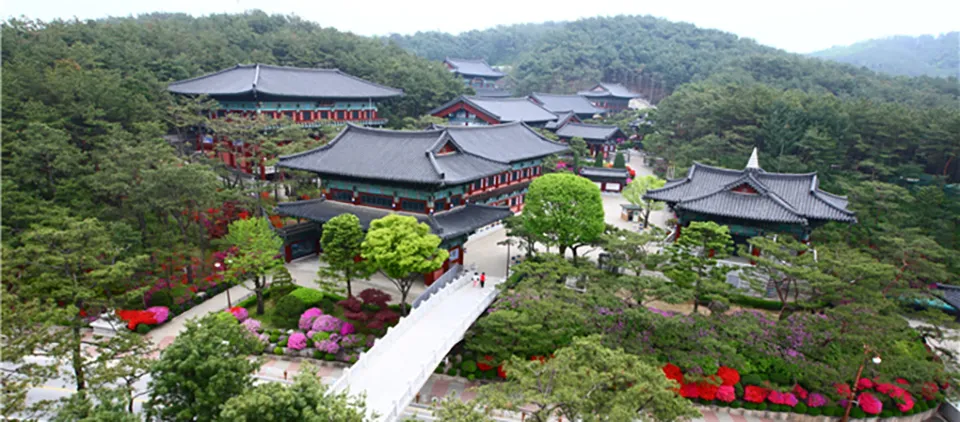
Daejin University (from its website)
The theme chosen for this edition – “Reconciliation, Mutual Beneficence, and Religion” – encouraged participants to focus on how religious traditions can help build peace and social cohesion in a time marked by tensions and conflicts.
Several big names in the field of the study of religions presented at the conference. For instance, Eileen Barker (LSE), a pioneer in the study of new religious movements, Massimo Introvigne (CESNUR), who spoke about social repair, and J. Gordon Melton (Baylor University), known for his encyclopaedic knowledge of religious movements. Livia Kohn (Boston University), Bernadette Rigal‑Cellard (Université Bordeaux Montaigne), Susan J. Palmer (McGill University), Holly Folk Western Washington University), all took part in the discussions.
The Forum is an annual occasion where themes relating to East Asian religions, new religious movements, and social reconciliation are discussed academically.
The 2025 edition also had a special importance for FOB – European Federation for Freedom of Belief that was visible both in the academic sessions and in the conversations on human rights that ran alongside them.
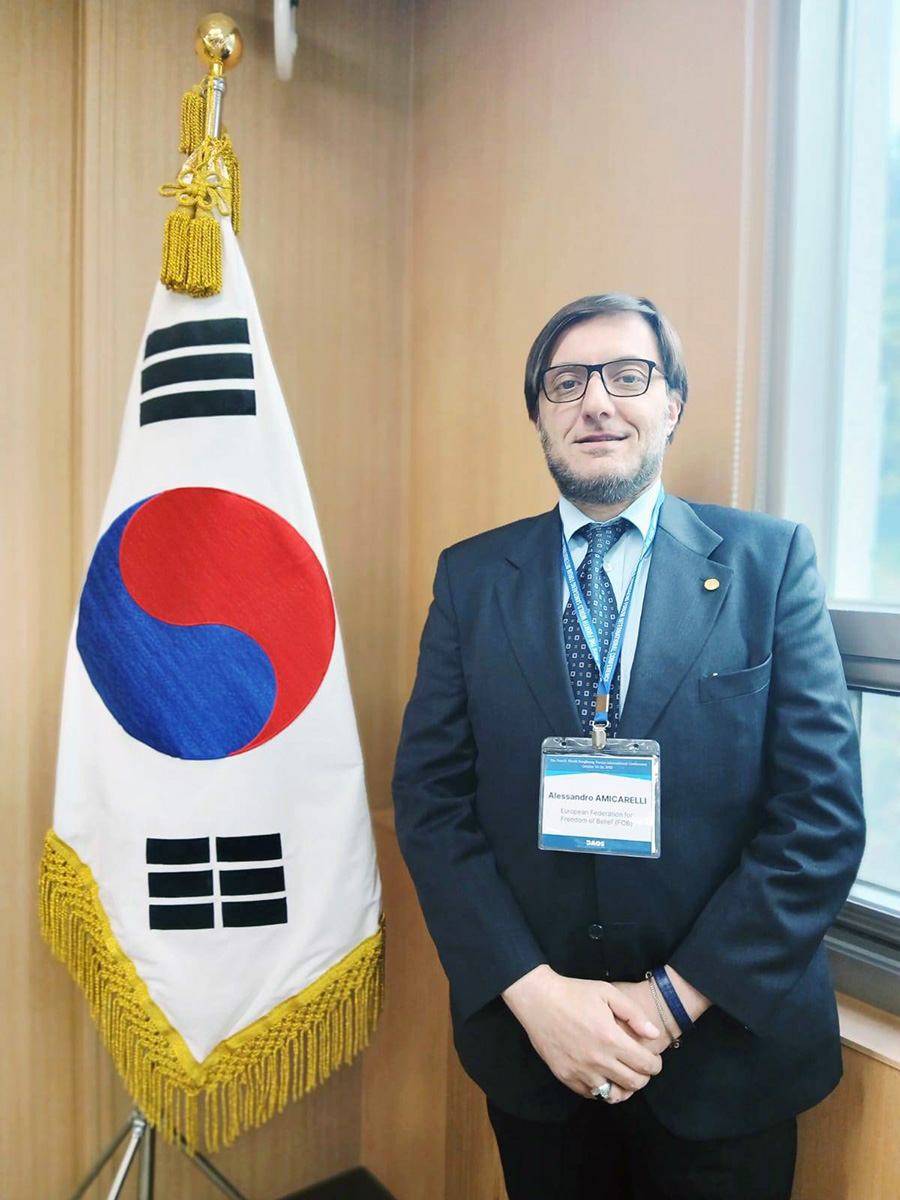
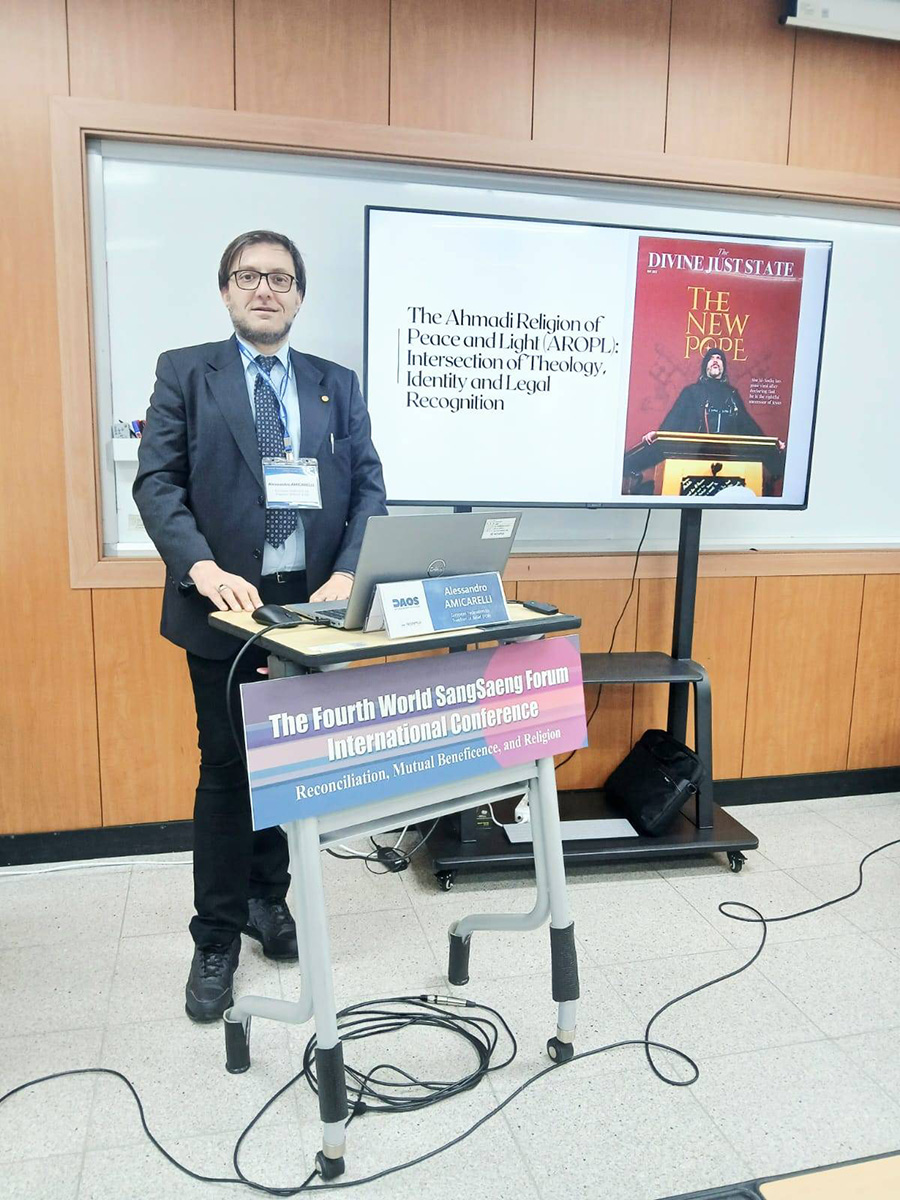
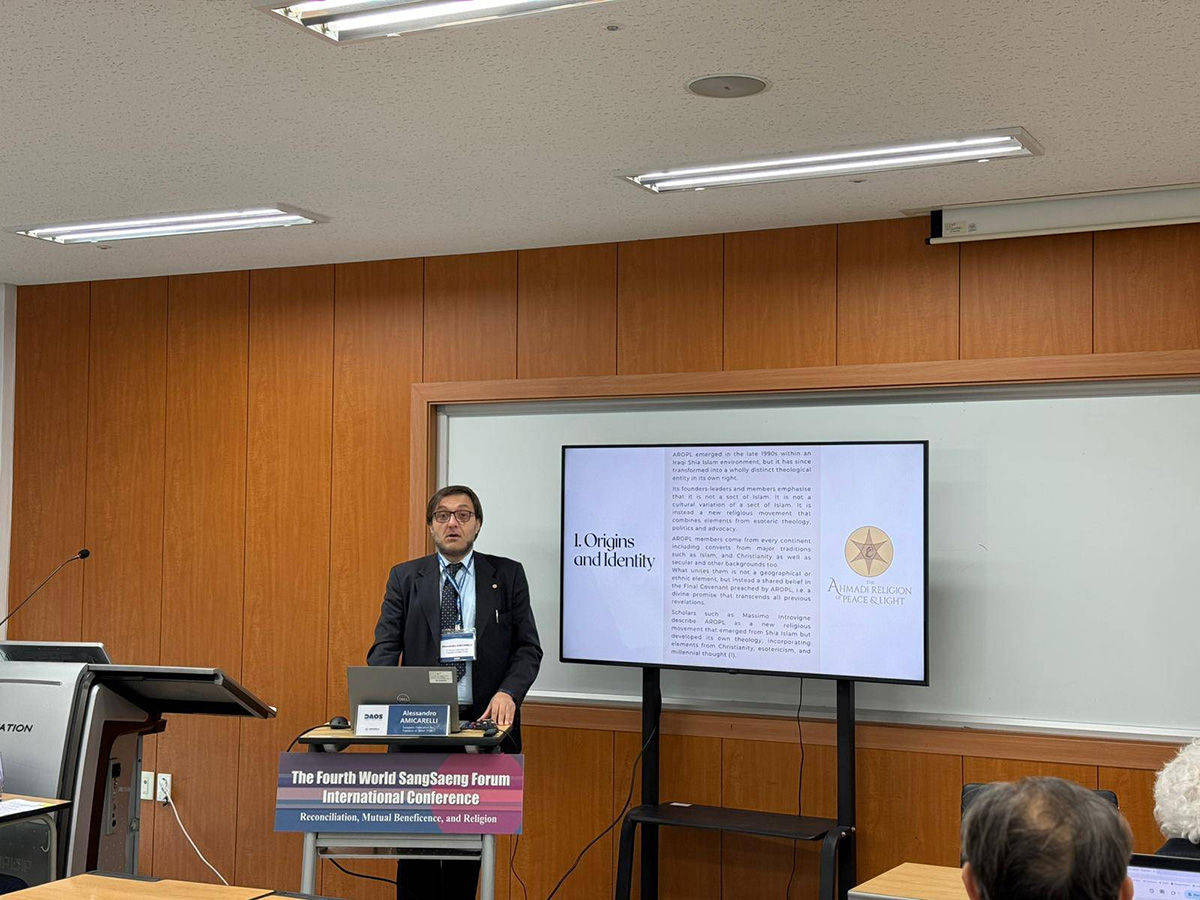
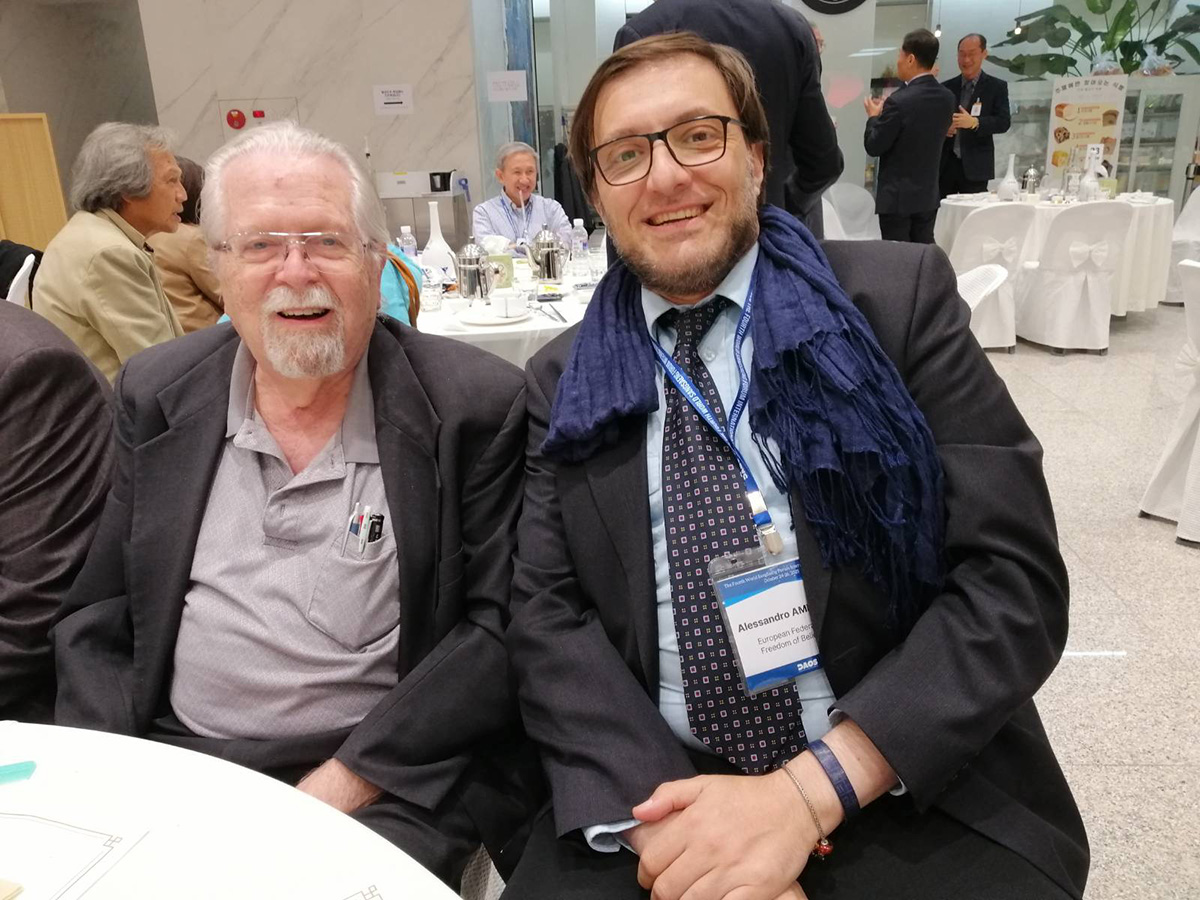
Alessandro Amicarelli, President of FOB, presented on the new religious group called AROPL – Ahmadi Religion of Peace & Light, from a legal and sociological perspective analysing the social and legal challenges faced by this community because of misunderstanding, when not for pure discrimination and persecution, showing the importance of the relationship between freedom of religion or belief (FORB), minorities and the wider spectrum of the international protection of human rights.
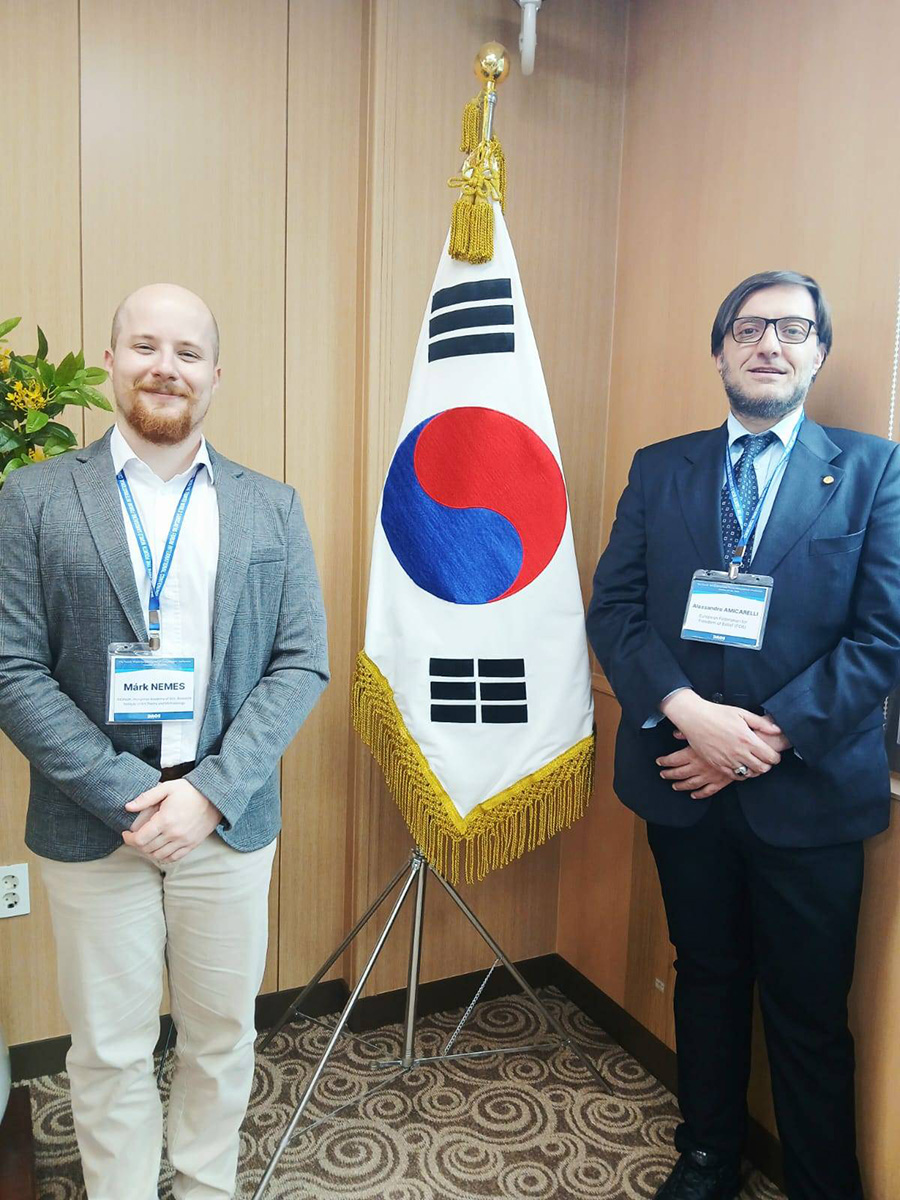
Representatives of FOB Scientific Committee widely contributed to the works of the Forum: Rosita Šorytė, former UN diplomat and advocate for religious freedom, Susan J. Palmer, sociologist of religion, Bernadette Rigal‑Cellard, expert in global religions and David Kim, specialist in East Asian religious movements. Their contributions strenghtened the link between academic research, advocacy, and cultural diplomacy.
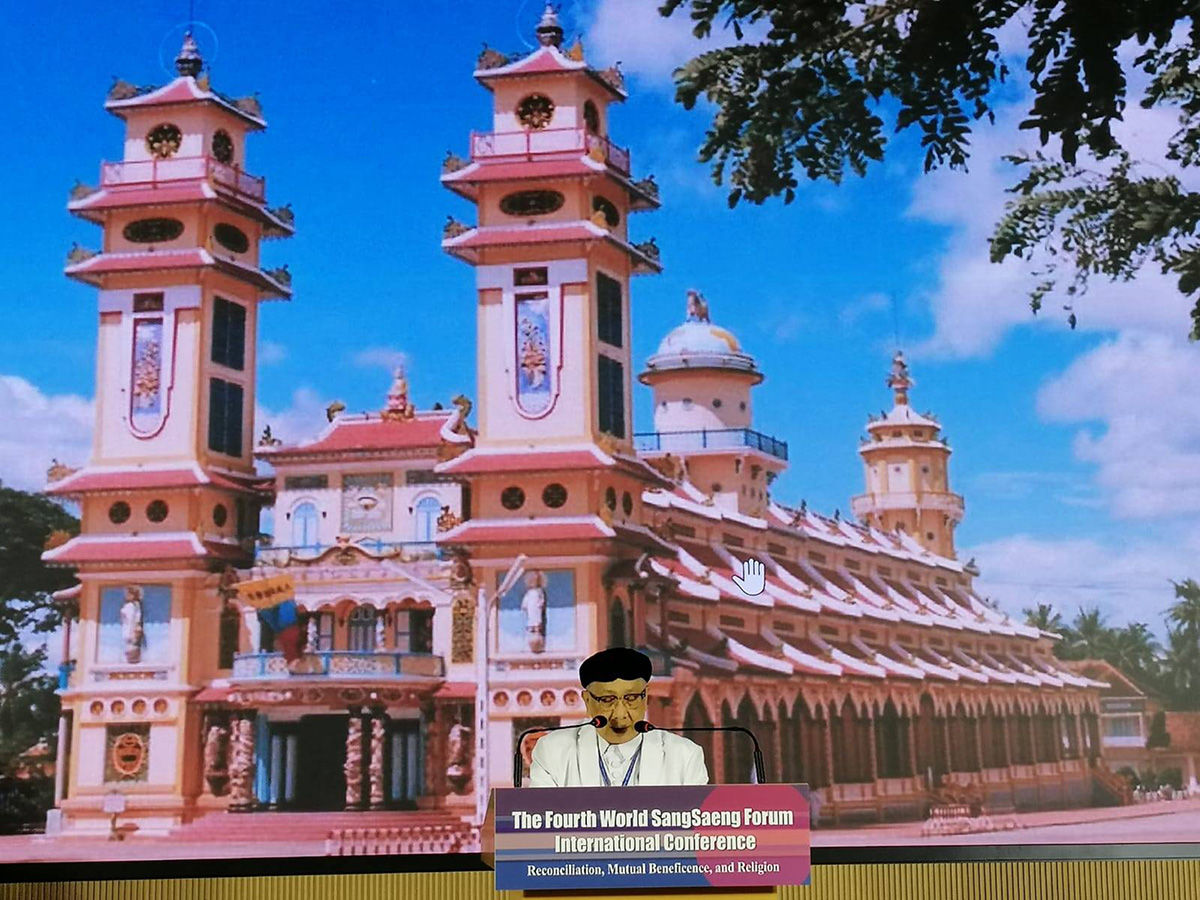
As a point of connection between academia, advocacy and minority groups, the Forum also welcomed representatives of East Asian religious movements, such as Cao Dai (Vietnam), Weixin Shengjiao (Taiwan), Wuri Holy Mother Palace (Taipei), Oomoto (Japan).
This high-level interaction between scholars, religious leaders, and human‑rights organisations proved to be fruitful by creating an environment where research, testimony, and dialogue could genuinely interact and thrive together.
The Forum stands out for at least three main reasons:
- A model of reconciliation in an era marked by conflict.
The Korean principle of sangsaeng – mutual beneficence – offered an ethical alternative to the confrontational dynamics that characterised much of 2025. - Asia’s central role in the global religious landscape.
South Korea, despite problems affecting religious communities such as the Unification church and Shincheonji church of Jesus and others, continues to affirm itself as a point of connection between a vibrant spiritual environment and the academic world. - Strengthened international cooperation against religious disinformation.
The presence of CESNUR, FOB, and leading scholars helped to produce rigorous knowledge and to counter-balance the distorted narrative and propaganda about minority groups.
In conclusion, the 4th World SangSaeng Forum 2025 was more than an academic congress. It was a meeting point between research, spirituality, and human rights. The participation of FOB and its representatives added an important dimension, placing the protection of religious minorities – and the need for an international approach based on dialogue, rigour, and mutual beneficence – at the heart of the discussion.